

Spring is finally here, and with it comes the annual ritual of walking around your property and taking stock of what winter left behind. Most homeowners think of spring maintenance as a to-do list for curb appeal or comfort — and it certainly is that. But it is also one of the most important things you can do for your homeowners insurance.
Why? Because well-maintained homes file fewer claims. And fewer claims mean lower premiums over time, better relationships with your carrier, and most importantly, fewer headaches. At the same time, spring is a great opportunity to identify issues that your policy may — or may not — cover, so you are never caught off guard.
Use this Spring Home Maintenance Checklist one section at a time. We have added an Insurance Angle to each area so you know exactly what is at stake.
1. Inspect Your Roof
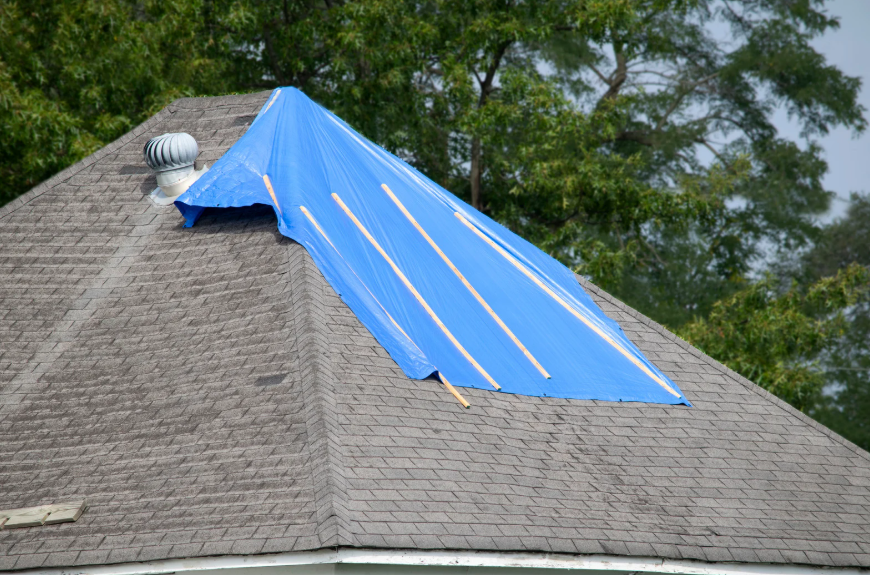
Kentucky winters bring ice, wind, and the occasional heavy snow. Your roof takes the brunt of all of it. Come spring, a thorough roof inspection should be your first priority.
What to look for:
- Missing, cracked, or curling shingles
- Damaged or lifted flashing around chimneys, vents, and skylights
- Sagging areas or water stains in the attic
- Granule buildup in gutters (a sign that shingles are aging)
Insurance Angle
Sudden storm damage to your roof is typically covered under a standard homeowners policy. However, damage caused by neglect or wear and tear is not. If an adjuster finds that your roof was already in poor condition before a storm, your claim could be denied or reduced. Keeping up with routine maintenance — and documenting it — protects your claim rights.
2. Spring Home Maintenance: Clean and Inspect Your Gutters and Downspouts
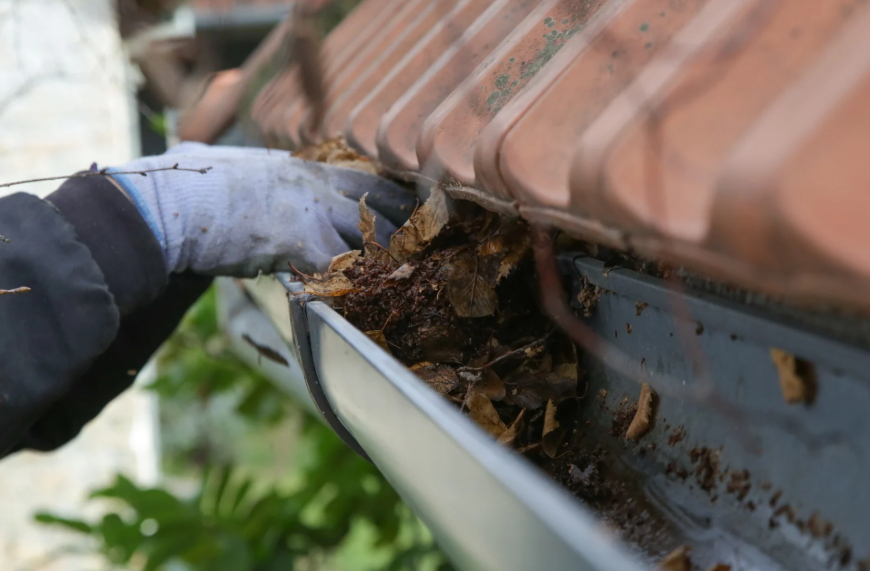
Clogged gutters are one of the most common and preventable causes of home water damage. When gutters overflow, water can work its way under your roof, behind your fascia, and down into your foundation.
What to do:
- Clear all debris — leaves, twigs, and seed pods — from gutters and downspouts
- Check for sagging sections or gutters pulling away from the roofline
- Make sure downspouts direct water at least 4–6 feet away from your foundation
- Consider gutter guards if cleaning is a recurring headache
Insurance Angle
Water damage from a sudden and accidental event — like a burst pipe — is generally covered. Water damage from a slow leak or long-term moisture buildup caused by clogged gutters typically is not. This is one of those situations where a small maintenance task can prevent a costly, uncovered claim.
3. Check Your Exterior for Winter Damage
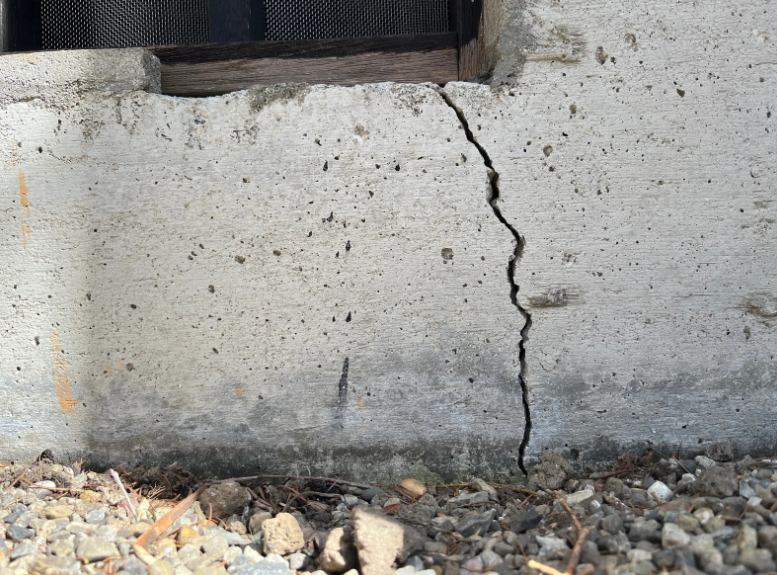
Take a slow walk around your home’s exterior. What looks minor on the surface could be a bigger problem underneath.
What to look for:
- Cracks or gaps in siding, brick, or stucco that could let water in
- Peeling or bubbling paint (a sign of moisture intrusion)
- Damaged window or door seals and caulking
- Cracks in your driveway, walkways, or foundation — small cracks can expand significantly if water gets in and refreezes next winter
Insurance Angle
Standard home policies typically cover structural damage caused by sudden and accidental events like wind or hail. They do not cover gradual deterioration. Catching exterior damage now — before it becomes a larger structural issue — keeps you on the right side of that line.
4. Test Your Smoke and Carbon Monoxide Detectors

This one takes five minutes and could save your life. Every Spring Home Maintenance Checklist should include testing every detector in your home, replacing batteries, and swapping out any unit that is more than 10 years old.
Quick checklist:
- Test the alarm button on every smoke detector and CO detector
- Replace 9-volt batteries if your units are not hardwired
- Check the manufacture date on the back — most detectors should be replaced every 7–10 years
- Make sure you have a smoke detector on every level of the home, inside each bedroom, and outside sleeping areas
Insurance Angle
Some insurance carriers offer discounts for homes with monitored fire and CO detection systems. More importantly, working detectors are your first line of defense against a fire loss — which remains one of the most devastating and costly homeowners claims. Ask us if your current setup qualifies for any safety discounts.
5. Inspect Your Plumbing and Water Heater – An Insurance Risk Worth Checking
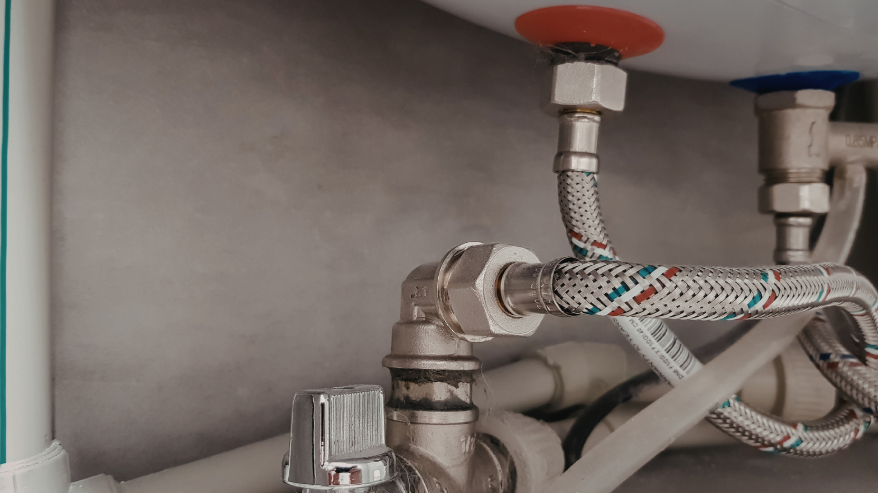
Water is the number one cause of homeowners insurance claims. Spring is a great time to catch plumbing issues before they become emergencies.
What to check:
- Look under sinks for signs of slow leaks — staining, warped cabinet floors, or musty odors
- Inspect hoses on your washing machine and dishwasher — rubber hoses should be replaced every 5 years
- Check your water heater for rust, corrosion, or pooling water at the base
- If you have an outdoor spigot that was shut off for winter, slowly turn it back on and check for leaks
- Check out our blog on Water Sewer Backup Coverage. We go into further detail about your homes plumbing system and why you should consider this valuable protection.
Insurance Angle
Sudden water damage from a burst pipe or failed appliance hose is typically a covered event. Gradual leaks and slow deterioration are not. If a claims adjuster finds evidence of a slow leak that went unaddressed — such as mold, rot, or prolonged staining — coverage can be denied. Catching these early matters. In fact, according to the Insurance Information Institute, about 1 in 67 insured homes has a property damage claim caused by water damage or freezing each year. This makes it far more common than fire, theft, or liability claims.
6. Walk Your Property – Trees, Fencing, and Outbuildings

Winter storms can weaken trees, damage fences, and take a toll on detached garages, sheds, and other structures on your property. Spring is the time to assess.
What to look for:
- Dead or damaged tree branches hanging over your home, vehicle, or neighbor’s property
- Trees that are leaning or have significant root disruption
- Fence panels that were damaged or knocked loose by wind or ice
- Your detached garage, shed, or other outbuildings — check the roof, walls, and doors
Insurance Angle
Tree damage can be tricky. If a healthy tree falls on your home due to a storm, it is typically covered. If a dead or diseased tree falls — one you knew about and did not address — coverage may be disputed. Proactively removing hazardous trees protects both your home and your claim. Also, check that your “Other Structures” coverage on your policy is sufficient to rebuild your detached garage, shed, or fencing at today’s costs. Many homeowners have not reviewed these limits in years.
7. Service Your HVAC System
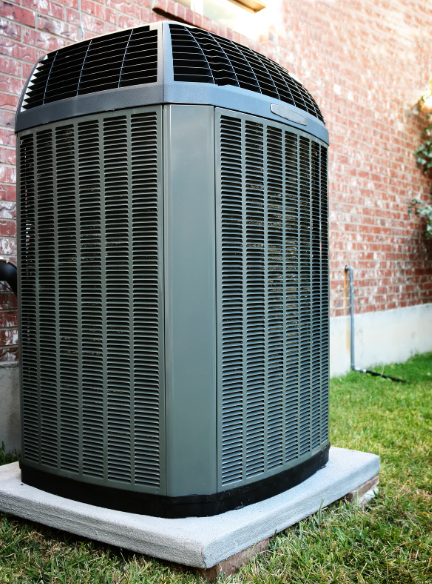
Before you flip on the air conditioning for the first time this season, make sure your system is ready for the summer heat.
What to do:
- Replace your air filter — this should happen every 1–3 months, but spring is a great reset point
- Schedule a professional HVAC tune-up if you have not had one in the past year
- Clear debris and vegetation from around your outdoor AC unit
- Check that all vents are open and unobstructed
Insurance Angle
HVAC systems are generally not covered by homeowners insurance unless damage results from a covered peril like a power surge or fire. Mechanical breakdown is considered a maintenance issue. However, an HVAC failure that causes water damage — such as a clogged condensate drain line that overflows — may be covered depending on your policy and carrier. Furthermore, many carriers offer a Mechanical Breakdown endorsement to protect you against sudden breakdowns and failures. This is worth a conversation with your agent.
8. Use Your Spring Home Maintenance Checklist to Trigger an Insurance Policy Review

Spring is also a smart time to do an annual review of your homeowners insurance policy. Your life changes, and your coverage should reflect that. Ask yourself:
- Have I made any significant improvements or additions to my home since my last review? A finished basement, new deck, or kitchen renovation could affect your coverage needs.
- Do my dwelling limits still reflect what it would actually cost to rebuild my home at today’s construction costs?
- Have I acquired new valuables — jewelry, electronics, artwork, or collectibles — that may exceed my policy’s sub-limits?
- Have I checked whether any new discounts apply, such as a new security system or updated roof?
If you are not sure how to answer any of these questions, that is exactly what we are here for. As an independent agency, we review your policy with fresh eyes every renewal — cross-shopping carriers to make sure you are properly protected at the best available price.
Spring Into a Policy Review
A Spring Home Maintenance Checklist is only half the picture. If your home has changed, your insurance should too. A quick conversation with an Aspen Ridge agent can confirm that your coverage is keeping pace with your home’s value — and flag any gaps before they become problems.
Reach out today for a free, no-obligation insurance review. We are always happy to assist!