
The cooler is packed, the playlist is queued up, and the whole family is ready to hit the road. Road trips are one of the great American traditions, but before you back out of the driveway, there’s one item most travelers forget to check: their insurance coverage.
Whether you’re cruising to a national park, heading across state lines to visit family, or renting an RV for the ultimate adventure, knowing what your policies cover (and where the gaps are) can save you a serious headache, and a serious bill, if something goes wrong along the way.
Here’s what you need to know before you go.
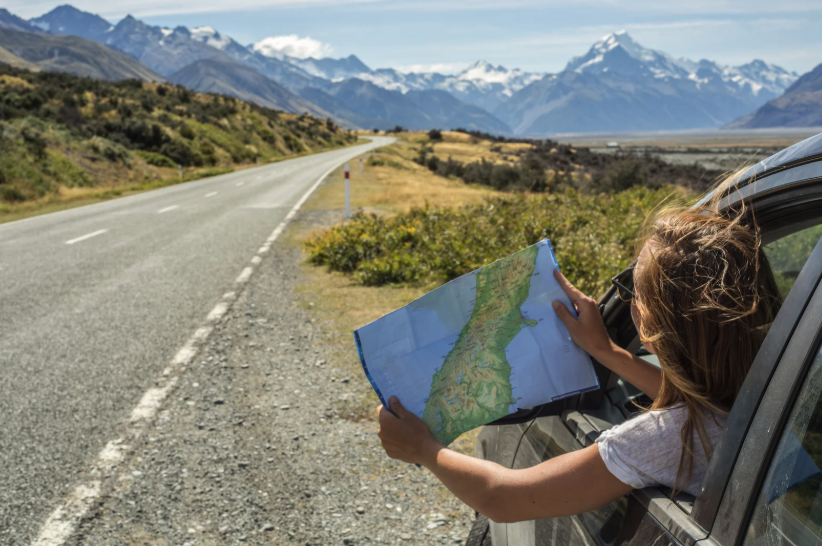
Your Auto Policy Follows You
Good news first: you don’t need a special “road trip policy” for domestic travel. Your existing auto insurance travels with you across state lines. In fact, if the state you’re driving through requires higher liability minimums than your home state, your coverage will automatically adjust upward to meet those requirements.
That said, it’s still worth reviewing your policy before you leave on your summer road trip. Confirm the expiration date, check your deductibles, and make sure you understand exactly what coverages are in place. A few minutes now can prevent a lot of confusion later.
If you are driving to or through Canada, check to see if you need an additional insurance card. Canadian border officials may ask you to provide proof of Canadian coverage when crossing the border.
The Core Coverages to Review
Before your trip, make sure you understand what each part of your policy actually does:
Liability Coverage — This pays for injuries or property damage to others if you cause an accident. It does not cover damage to your own vehicle. Most states require liability insurance, though minimums vary.
Collision Coverage — Helps pay for repairs to your vehicle if you collide with another car or object. If you’re financing or leasing your vehicle, you likely already have this. If you have paid off your car, double-check that you haven’t dropped it.
Comprehensive Coverage — This covers non-collision events like theft, vandalism, hail damage, or hitting an animal. Summer storms and wildlife crossings are very real road trip risks, making this coverage especially valuable.
Uninsured/Underinsured Motorist Coverage — Protects you if you’re in an accident caused by a driver who has little or no insurance. Given that roughly 1 in 8 drivers on U.S. roads are uninsured, this is a coverage you don’t want to skip.
Personal Injury Protection (PIP) / Medical Payments — Covers medical expenses for you and your passengers after an accident, regardless of who was at fault. This is particularly important if you’re traveling with kids or older passengers.

Consider Adding Roadside Assistance
Long-distance driving puts extra wear on your vehicle. A flat tire on a rural highway, a dead battery in a parking lot, or running out of gas on an unfamiliar stretch of road are all very real possibilities. Many auto insurers — including most major carriers — offer optional roadside assistance coverage that provides towing, tire changes, fuel delivery, and battery jump-starts.
If you don’t already have this add-on, it’s typically very affordable and well worth the cost before a road trip.
Rental Cars: Are You Covered?
Renting a vehicle for part of your trip? Your personal auto policy may extend to cover rental cars, but the scope of that coverage varies. Most U.S. auto policies cover rental cars for liability and, if you have it, collision and comprehensive. However, they may not cover the rental company’s “loss of use” fees (what the rental company charges while the car is being repaired) or administrative costs.
Before declining or accepting rental car insurance at the counter, check with your agent. Your credit card may also provide some level of rental car coverage, depending on the card’s benefits — but read the fine print carefully.
Another thing to consider when debating accepting or declining the insurance offered by rental car company is that, if you have a claim, and use their insurance, the claim will not show up on your claim history.
Traveling with Passengers or Co-Drivers?
If you plan to share driving duties with a friend or family member, check whether your policy covers “permissive use” — meaning it may cover a driver who doesn’t regularly use your vehicle and is driving with your permission. Most standard auto policies do allow this, but coverage levels can differ.
You do not need to notify your insurer just because you’re taking a trip. However, if you permanently relocate to another state, you will need to update your policy.

Going to Mexico? You’ll Need Separate Coverage
This is a critical one: your U.S. auto policy does not cover you in Mexico. If you plan to drive south of the border, even for a day trip, you’ll need to purchase a separate Mexican auto insurance policy that meets the liability minimums required by Mexican law. Driving in Mexico without it is a legal risk, not just a financial one.
Should You Add Travel Insurance?
Travel insurance is a separate product from your auto policy, and it can fill some important gaps on extended road trips. According to Generali Global Assistance, travel insurance can help reimburse prepaid, non-refundable expenses, like hotel reservations, event tickets, or RV rentals, if you need to cancel for a covered reason. It can also provide:
- Travel medical coverage for out-of-network costs or medical expenses during domestic travel, as well as trips extending into Canada or Mexico
- Emergency medical evacuation if you’re injured in a remote area, a service standard health insurance typically does not cover
- Personal belongings protection for items that are lost, stolen, or damaged during your trip
- Trip interruption coverage if a covered event (severe weather, illness, etc.) cuts your trip short
Most travel insurance plans apply to trips of 100 miles or more from your home, making them most useful for longer journeys rather than weekend drives.
A Few Final Pre-Trip Reminders
Beyond insurance, a little preparation goes a long way:
- Inspect your vehicle before departure — tires, fluids, brakes, and battery
- Bring an emergency kit with jumper cables, a flashlight, water, a first-aid kit, and basic tools
- Share your itinerary with someone you trust, including planned routes and stops
- Save your insurance company’s claims number in your phone — not just the card in the glove box
Talk to Your Agent Before You Leave
The best time to review your coverage is before you need it, not after. At Aspen Ridge Insurance, we’re happy to walk through your current auto policy, discuss any add-ons that make sense for your trip, and make sure you hit the road with confidence. Have a fun, summer road trip!