
Learning how Kentucky weather affects your home insurance should be a top priority for all homeowners in our state. Kentucky is one of the most weather-volatile states in the nation. From spring tornadoes tearing through the Bluegrass region to catastrophic floods in the eastern mountains and ice storms that cripple entire cities, the Bluegrass State is no stranger to storm damage. Understanding how Kentucky weather shapes your coverages and premiums is the first step toward making sure you’re truly protected.
Kentucky’s Growing Storm Risk: By the Numbers
Kentucky’s weather risk and its affect on your home insurance isn’t just a local concern — it’s a documented and escalating national issue. According to NOAA’s National Centers for Environmental Information, the state has experienced a dramatic uptick in costly weather disasters in recent years.
- 92 Billion-dollar weather disasters affecting KY since 1980 (NOAA)
- 5.4 Average major weather events per year (2020–2024), up from 2.0 historically
- 58 Severe storm events among KY’s billion-dollar disasters since 1980
- 2x+ Increase in event frequency over the last 5 years vs. the long-term average
The trend is stark: what was once an average of two major weather events per year has more than doubled in just the last five years. That shift is being priced directly into homeowner insurance premiums across the state. Let’s break down some of the specific weather threats in Kentucky that are having a direct impact on your home insurance coverage and premium.
Tornadoes: Kentucky’s Most Feared Threat
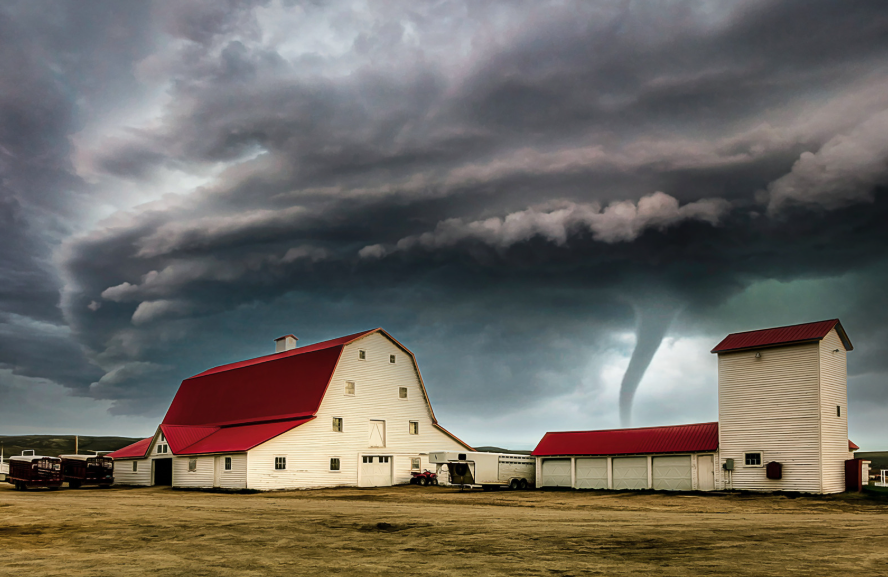
Kentucky sits on the eastern edge of “Tornado Alley” and regularly experiences dangerous tornado outbreaks. In May 2024 alone, the National Weather Service documented eight tornadoes in a single storm system on May 26–27, with warnings covering every county in western Kentucky for more than 20 consecutive hours. That same spring, eastern Kentucky was hammered by an April 2 severe weather outbreak that produced tornadoes and widespread straight-line wind damage.
The good news: standard homeowner’s insurance policies in Kentucky do cover tornado damage, including wind damage to your roof, siding, windows, and attached structures. However, there are important details to watch for:
Pro Tip: Many Kentucky insurers now include separate “wind and hail deductibles” — often 1%–2% of your home’s insured value — that apply specifically to storm damage. On a $300,000 home, that could mean a $3,000–$6,000 out-of-pocket expense before your coverage kicks in. Always ask your agent what deductible applies to wind/hail events.
Flooding: The Coverage Gap Most Kentuckians Don’t Know About

Kentucky’s rivers, creeks, and hollows make the state especially susceptible to flash flooding. Eastern Kentucky in particular has suffered repeated catastrophic floods — the devastating July 2022 floods killed over 40 people and destroyed thousands of homes across Breathitt, Knott, Letcher, and Perry counties.
Here’s the critical point most homeowners miss: standard home insurance does NOT cover flood damage. Flooding is explicitly excluded from virtually every standard homeowner policy in the United States. To be protected, you need a separate flood insurance policy, typically available through the federal government’s National Flood Insurance Program (NFIP) or private flood insurers.
⚠️ Important: You don’t have to live in a designated flood zone to experience flood damage. According to FEMA’s flood mapping data, more than 40% of flood insurance claims come from properties outside high-risk flood zones. Flash floods triggered by heavy rainfall can affect any Kentucky property.
Hail: The Silent Premium Driver

Hailstorms are one of the leading causes of homeowner insurance claims in Kentucky, and because the damage is often less dramatic than tornado destruction, many homeowners don’t realize how expensive it can be. Hail damages roofs, gutters, siding, windows, and HVAC equipment — and the repair bills add up fast.
Insurance companies track hail claims aggressively. If your area has experienced multiple hail events, you may see your premium rise at renewal — even if you never filed a claim. Insurers also increasingly use satellite roof imagery to assess hail damage and may reduce coverage on older roofs, sometimes requiring you to replace your roof before they’ll renew your policy.
Winter Weather: Ice Storms and Frozen Pipes
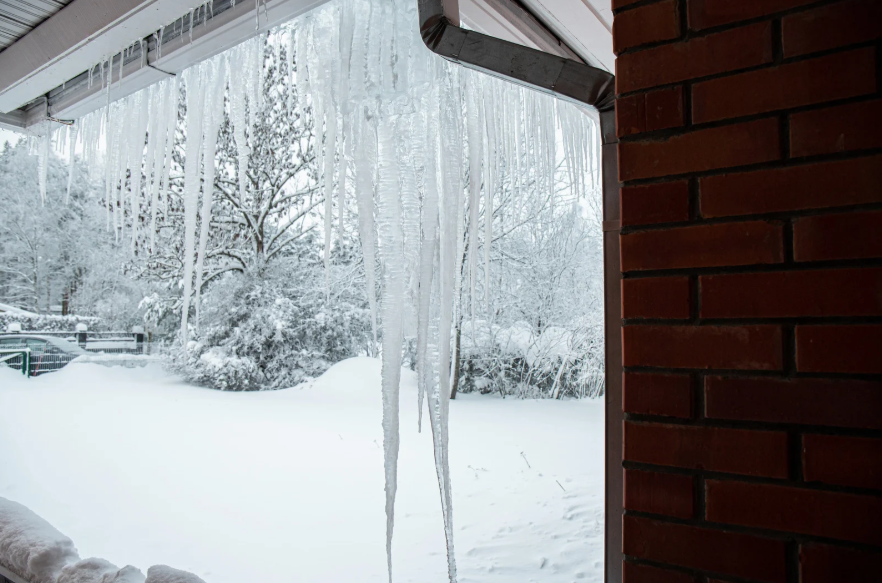
Kentucky winters bring a unique hazard that many states don’t contend with: devastating ice storms. Unlike snowfall, ice accumulation can snap tree branches, collapse roofs, and down power lines across wide areas in just a few hours. The state has experienced several ice storms in recent decades that caused hundreds of millions of dollars in property damage.
Standard homeowner policies generally cover ice storm damage, including:
- Fallen trees that damage your home’s structure (though removal of trees that didn’t damage your home is typically not covered or a small sublimit of coverage is extended)
- Roof collapse from ice and snow weight
- Water damage from burst/frozen pipes — but only if you took reasonable steps to maintain heat in the home. Claims are often denied if the home was left unheated.
Pro Tip: If you’re leaving home for an extended period in winter, set your thermostat to at least 55°F and shut off your water supply. Document this with a photo before you leave — it can be crucial evidence if you need to file a frozen pipe claim.
What Does Your Kentucky Home Insurance Actually Cover?
Here’s a quick-reference summary of how common Kentucky weather events map to standard homeowner insurance coverage:
| Weather Event | Covered by Standard Policy? | Notes |
|---|---|---|
| Tornado / Wind Damage | ✔ YES | Wind/hail deductible may apply |
| Hail Damage | ✔ YES | Wind/hail deductible; older roofs may have limited coverage |
| Flooding / Flash Flood | ✘ NO | Requires separate flood insurance policy (NFIP or private) |
| Ice Storm / Roof Collapse | ✔ YES | Covered as a “weight of ice and snow” peril |
| Frozen / Burst Pipes | ⚠ SOMETIMES | Denied if home was left without heat |
| Landslide / Mudslide | ✘ NO | Requires separate earth movement coverage or policy endorsement |
| Lightning Strike | ✔ YES | Covers structure and personal property damage from fire |
| Power Surge from Storm | ⚠ SOMETIMES | May require a specific equipment breakdown endorsement |
* Please be advised the table above is for informational purposes only. Coverage decisions are ultimately determined by your insurance company and their adjusters.
Why Kentucky Home Insurance Premiums Are Rising
If your home insurance renewal has felt like a sticker shock moment recently, you’re not alone. Insurers across Kentucky are repricing risk based on the undeniable trend of more frequent and more severe weather events. NOAA data shows Kentucky’s 5-year average (2020–2024) of 5.4 major weather events per year is nearly triple the long-term historical average of 2.0 — and insurance companies watch these trends closely. Insurance companies are well aware of how Kentucky weather affects home insurance because they adjust price and coverage options based on historical data trends. Ultimately, if storms become more frequent, they pay more for claims. As a result, this is passed on to you as the consumer resulting in higher rates or reduced coverage options.
Compounding this, construction costs have surged significantly since 2020, meaning it now costs far more to repair or rebuild a damaged home than it did when your policy was originally written. If your coverage limits haven’t kept pace, you could be dangerously underinsured in the event of a total loss.
Factors that raise your Kentucky home insurance premium:
Your proximity to flood plains, tornado corridors, or areas with a high history of hail claims can all push premiums higher. The age and condition of your roof is one of the single largest factors insurers use. Homes with older roofs (15+ years) may face significantly higher premiums or coverage restrictions such as requiring Actual Cash Value coverage for your roof. Lastly, your claims history — even small ones — can also affect your rates.
Action Steps for Kentucky Homeowners
1. Review your current policy now, not after a storm. Pull out your declarations page and verify your dwelling coverage limit reflects what it would actually cost to rebuild your home at today’s construction prices, not the market value of your home. Not sure what this means? Head over to this blog for more info!
2. Check if you need flood insurance. Even if you’ve never flooded before, Kentucky’s topography and increasing rainfall intensity make flood risk real for many properties outside designated flood zones. Visit FloodSmart.gov to look up your home’s flood zone and get a quote.
3. Understand your deductibles. Ask specifically about any wind/hail deductibles in your policy — these are separate from your standard deductible and only apply to storm-related claims.
4. Document your belongings. Create a home inventory with photos or video stored in the cloud. This makes the claims process significantly faster and ensures you don’t forget items after a stressful event.
5. Stay weather-aware. Sign up for alerts from the National Weather Service Louisville office or the NWS Jackson, KY office for eastern Kentucky. Early warning gives you time to protect your property and potentially reduce the scope of a claim.
Find Out If Your Home Is Truly Protected
Learning how Kentucky weather affects your home insurance is a critical first step. You now know Kentucky’s weather is getting more extreme — and your insurance should keep up. Reach out to us today for a free, no obligation review. Our goal is to ensure your home and property is properly protected, no matter what mother nature throws at you.
Sources: NOAA NCEI – Kentucky Billion-Dollar Disasters | NWS Louisville – May 2024 Severe Weather | FEMA FloodSmart.gov | NWS Jackson – April 2024 Severe Weather
